Argent Energy Home
About Argent Energy   Quality Assurance   Our Technology Partner - BDI   Image Gallery
About Biodiesel   Media Centre   EU Demonstration Project   Useful Links
   
Green Energy: Good For The Environment Good For Business
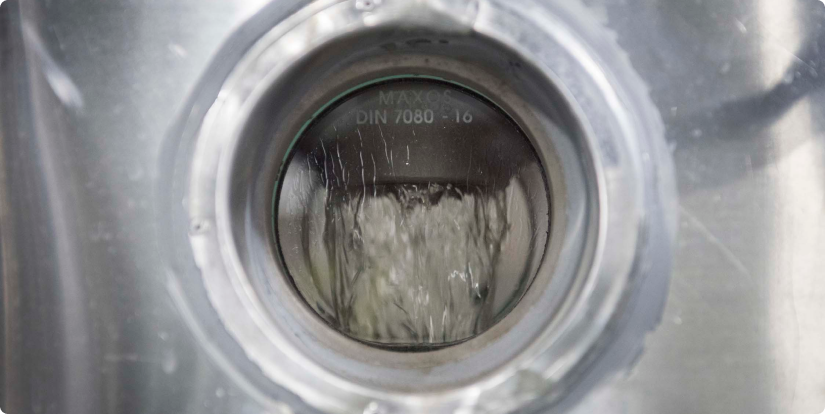
image: processing machinery
     
 
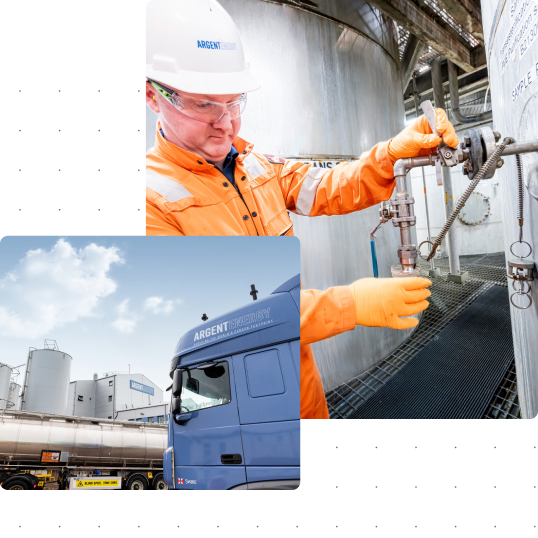
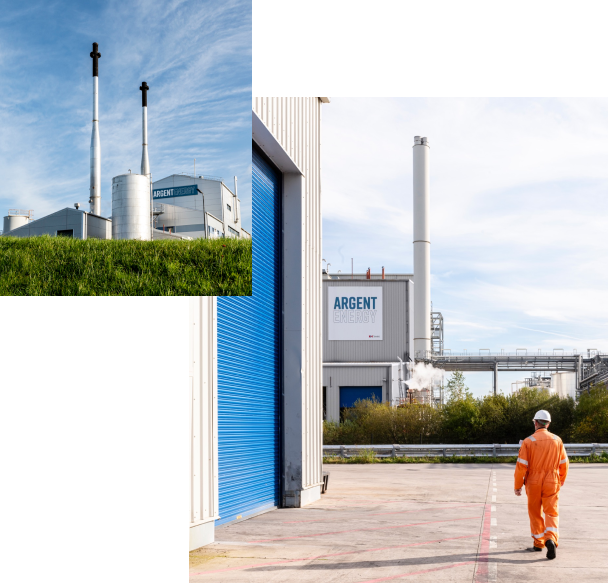
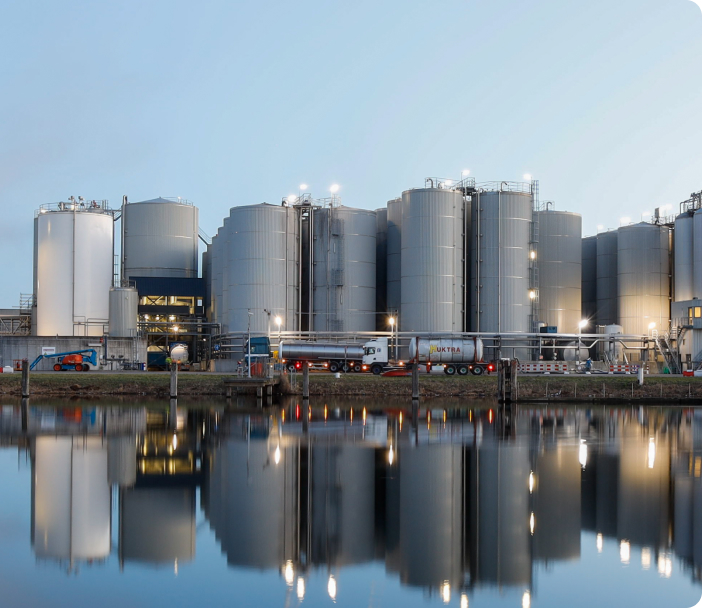
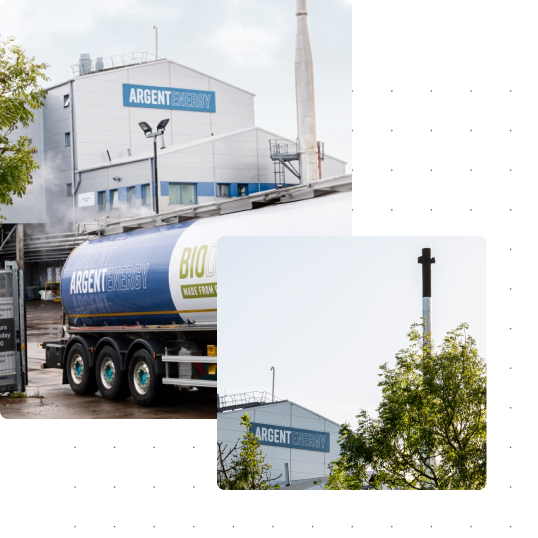
Argent Energy (UK) Limited operates the UK’s first large-scale biodiesel plant. The plant which is near Motherwell in Scotland started production of biodiesel in March 2005 and plans are in hand to expand operations in the UK and overseas.

Biodiesel has combustion properties very similar to mineral diesel and can replace it in most uses. Less toxic than table salt and as biodegradable as sugar, biodiesel is most often used blended with mineral diesel. It is one of the main candidates to replace fossil fuels as the world's primary transport energy source because it is a renewable, clean-burning fuel that can deliver benefits both to the environment and to vehicle engines where it acts as a lubricant.

The use of biodiesel also helps consumers and businesses reduce their carbon footprint - the amount of carbon dioxide emitted as a result of energy used.

It is most commonly available in a blend of 5 per cent biodiesel to 95 per cent mineral diesel, so no changes are required to the logistics of the fuel supply chain or to vehicle engines. It's good for engines and the environment. It improves engine lubrication, it burns more completely thereby reducing emissions, it's virtually sulphur free and can deliver increased engine life.

Argent makes this environmentally friendly form of road fuel from tallow and used cooking oil - by-products of other industries which have few alternative uses. The plant is capable of using a wide variety of raw materials including virgin oils such as rapeseed oil.

The biodiesel is produced to EN 14214 2003 (the European Standard for biodiesel as an automotive fuel for diesel engines).

Planning permission has been granted for a second plant at Ellesmere Port in Cheshire. The proposed second plant is planned to have an annual production of 170 million litres - more than three times the capacity of the existing plant.  It is expected to be built in two stages.  Phase 1 will provide 85 million litres of production capacity and the infrastructure to double that as the market develops.


News & Announcements Job Opportunities


There are no vacancies at present